

Mesothelioma
Mesothelioma is a tricky disease to diagnose. The symptoms can be difficult to identify because they're frequently similar to other illnesses. It can take a long time to manifest. It is important to inform your doctor if you've been exposed to asbestos.
Asbestos fibers can become stuck in the mesothelium damaging cells and causing genetic damage. This can cause cancer over time.
Signs and symptoms
The tissue that protects the stomach and lungs and stomach, as well as the heart, is referred to by the mesothelium. claim for mesothelioma is a cancerous tumor of this tissue, is referred to as mesothelioma. It typically begins in the lining that surrounds the lungs, but it could also begin in the lining in the abdominal cavity or around the reproductive organs or the heart.
Mesothelioma patients typically experience general symptoms, like weight gain, fatigue, shortness in breath, and coughing. It is important to tell your doctor if you experience these symptoms. It is also essential to discuss your asbestos exposure and history. It can aid doctors in diagnosing mesothelioma, and help them develop a treatment plan.
Mesothelioma is often caused by asbestos exposure. It can also be caused by other sources of exposure like drinking water containing asbestos or contaminating asbestos during home renovations. People who have mesothelioma-related family history are at a higher chance of developing the disease.
The signs of mesothelioma can be seen in years, or even decades, after the first asbestos exposure. Because of this time-lag mesothelioma may be difficult to detect.
Doctors begin the process of diagnosing mesothelioma by conducting physical examination and a history about asbestos exposure. They might also order imaging tests like chest X-rays and computed tomography (CT) scans, or the positron emission tomography (PET) scans.
Asbestos exposure could cause different health problems, so it is important to consult your doctor if there are any concerns. If you or someone close to you has any mesothelioma-related symptoms, it is crucial to talk to a mesothelioma doctor.
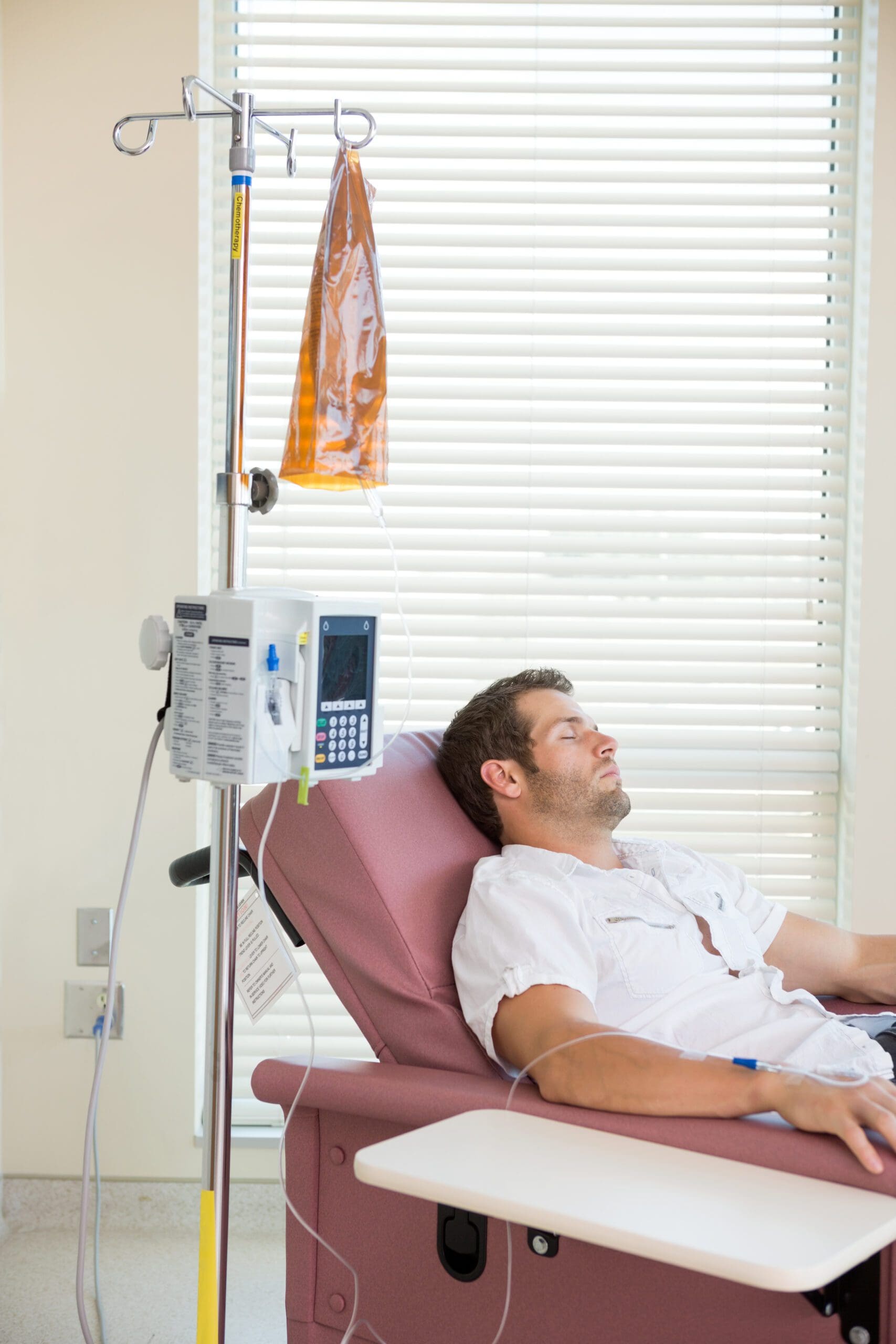
People who are at a greater risk of mesothelioma comprise those who worked in certain professions, such as construction workers or shipyard workers, where they could have been exposed to significant quantities of asbestos. People who have had or have been around someone with mesothelioma are also at risk, as are people who have received radiation therapy for another condition and those who cause asbestos to be disturbed during home renovations or maintenance. People who have had an organ transplant are also at risk of mesothelioma.
Diagnosis
Mesothelioma is a rare form of cancer that affects the surrounding internal organs. It is primarily targeted at the lung's lining (pleural mesothelioma), but it may also target the lining of the tummy (peritoneal mesothelioma) and, less frequently the testicles or the heart. Mesothelioma symptoms are usually not apparent until decades after exposure to asbestos and they can be difficult to recognize because they can be a sign of other diseases and conditions.
A shortness of breath, chest discomfort or abdominal swelling are some of the possible signs. They can affect women and men and may develop in any part the body. The disease is a multi-factorial cancer which means that there are many different mesothelioma forms however all types have one thing in common: exposure to asbestos.
A diagnosis of mesothelioma is given after a patient visits their doctor to discuss the symptoms they are experiencing. The doctor will then ask for the patient's medical history and information about exposure to asbestos.
The physician will then recommend testing to determine if mesothelioma caused the symptoms. Tests may include X-rays, CT scans, MRI or PET scanning. These tests can provide doctors with important information regarding the size, location and progress of a tumour.
In some instances biopsies might be required to confirm the diagnosis of mesothelioma. In this procedure, a doctor will take a sample of mesothelium to look for signs of malignant cell. The biopsy can be performed by using a needle, or surgically. A long, thin needle, which is inserted between the ribs and into the pleura is utilized to remove small fragments of a tumor. A needle biopsy is usually painless and requires only the use of numbing medications.
A biopsy confirms a mesothelioma diagnosis and assists doctors in determining the kind of cancer that can be classified as epithelioid (epidermoid) or sarcomatoid. Epithelioid mesothelioma makes up 70% of diagnoses and responds well to treatment. Sarcomatoid mesothelioma makes up the remaining diagnoses, and is typically more difficult to treat. It is more likely to grow than epithelioid mesothelioma and has a worse prognosis.
Treatment
Patients who have symptoms of mesothelioma should speak with their GP. If the GP suspects mesothelioma they'll refer the patient to a specialist for tests. These tests will help the doctor identify mesothelioma, as well as determine if it has progressed.
Mesothelioma is a type of cancer that is found in the cells that line the chest and abdominal cavities. People who breathe asbestos fibres are at risk developing this disease. People who worked with asbestos construction workers, as well as those who worked on structures that were later torn down are all included in this group. Asbestos may also affect those who live in a household with someone exposed to asbestos.
The symptoms of mesothelioma can vary depending on which part of the body is affected and the kind of mesothelioma is it. For example mesothelioma that causes breathlessness and chest pain. Peritoneal mesothelioma can cause many stomach-related issues. Testicular mesothelioma could cause swelling and pain in the testicles.
Mesothelioma is difficult to detect because its symptoms are similar to those of other diseases and conditions. A patient's physician will examine their medical history and perform physical examination. They'll also run an array of imaging and blood tests.
When mesothelioma has been diagnosed the doctor will take a sample of tissue, also known as a biopsy. They will then examine the biopsy under a microscope to determine whether the cells are cancerous. They will also assess the size and location. They will then use this information to decide on the best treatment strategy for the patient.
Treatment for mesothelioma can improve the chance of survival and quality of life. The options for treatment include surgery immunotherapy, chemotherapy, and other methods. They can be used in isolation or in combination. Multimodal plans have become more common as they increase the odds of patients being cured of mesothelioma.
Avoiding asbestos exposure is the best way to reduce mesothelioma risks. However, if you or someone you know was exposed to asbestos in the past and has developed mesothelioma symptoms, it is important to seek medical attention as soon as possible.
Prevention
Fortunately, almost all cases of mesothelioma can be prevented. The most commonly used method to prevent mesothelioma is to avoid exposure to asbestos. Until recently, asbestos was used in a variety of construction materials including insulation, cement, and roof shingles. Workers who handled these materials may have swallowed or inhaled tiny fibers that may become lodged in the chest's lining (pleural mesothelioma) or stomach (peritoneal mesothelioma). Smoking also increases one's risk of developing mesothelioma.
The reality is that mesothelioma-related symptoms typically do not manifest until 20 to 60 years after a person's first exposure to asbestos. In this latency time it is easy to be misinterpreted as flu-like illnesses, which can make mesothelioma difficult to recognize.
If you've been exposed to asbestos, it's important to monitor your health regularly. Keep the track of any digestive or respiratory problems and share these with your doctor. This will allow your doctor to spot patterns and possible symptoms of mesothelioma.
Disclosure of asbestos exposure is important to your doctor to enable them to perform regular screening tests to detect mesothelioma, as well as other diseases. Many mesothelioma patients were diagnosed after they disclosed their asbestos exposure to their doctor. This allowed their doctor to screen for mesothelioma sooner and lead to a better mesothelioma prognosis.
Asbestos is a mineral that occurs naturally is tough and resistant to heat. It is a risk if it becomes friable. This means that the fibers are released into the air when the asbestos is friable. It was once a favorite because it could be used to make various products and construction. Workers who worked with asbestos or lived in older buildings with asbestos are at a higher risk of developing mesothelioma.